 EN
EN
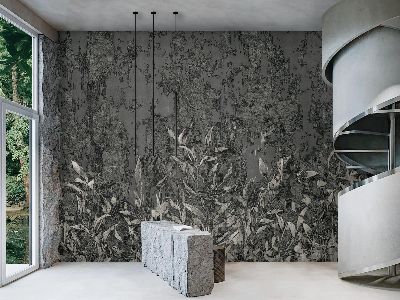
Custom wall murals for architects and designers offer a unique blend of aesthetic appeal and functional benefits, creating immersive environments that enhance any space. With over 20 years of industry expertise, Guangzhou Curry understands the critical factors that influence buyer decisions, such as durability, material quality, and design versatility. This article will guide you through essential considerations when selecting custom wall murals, helping you make informed choices that align with your specific project requirements.
How to Compare Wall Mural Quality for Long-Term Durability?
When evaluating wall mural quality, it's crucial to consider factors that contribute to long-term durability. Key aspects include the material type, thickness, and finish. For instance, vinyl murals are known for their resistance to wear and tear, making them suitable for high-traffic areas. When assessing thickness, artistic wall murals typically range from 7 to 20 mils; thicker options tend to provide greater durability and better conceal wall imperfections.
Additionally, a high-quality mural should feature a protective coating that resists fading and moisture. Before making a purchase, request samples to evaluate their performance under various conditions, such as exposure to sunlight and humidity. Testing the mural's resistance to scratches and stains will also help ensure it meets your durability expectations.
Where to Find Reliable Suppliers for Custom Wall Murals?
Finding reliable suppliers for custom wall murals is essential for ensuring consistent quality and timely delivery. Start by researching manufacturers with a strong reputation in the industry, focusing on their experience and customer reviews. Guangzhou Curry, for instance, has established itself as a leading wallcovering enterprise, known for its innovative designs and commitment to quality.
Trade shows and industry events are excellent venues for connecting with potential suppliers. These events provide opportunities to view product samples firsthand and engage in discussions about customization options and pricing structures. Additionally, online platforms like trade directories and B2B marketplaces can help you discover a variety of suppliers, allowing you to compare offerings and request quotes.
Key Specifications for Custom Wall Murals in Design Applications
When specifying custom wall murals, several technical aspects should be considered to ensure their suitability for your design application. Important specifications include:
Material: Choose materials based on the intended use and environment. For example, PVC and fabric options offer distinct advantages in terms of aesthetics and application.
Dimensions: Ensure the mural dimensions match the wall space precisely, as incorrect sizing can lead to installation issues.
Adhesive Requirements: Different murals require specific adhesives for optimal adhesion. It's essential to confirm compatibility with your wall surface.
Finish: The finish (matte, glossy, or textured) can significantly impact the mural's appearance and functionality. A matte finish may be preferred for a subdued look, while gloss can enhance vibrancy.
Before proceeding with an order, it's advisable to verify that all specifications align with your project's design intent and installation requirements.
Common Problems with Wall Murals and Effective Solutions
While custom wall murals can transform spaces, buyers should be aware of common issues that may arise during installation and usage. Some prevalent challenges include:
Bubbling and Wrinkling: This can occur if the mural is not applied correctly. To mitigate this, ensure that the wall surface is clean, dry, and smooth before installation. Using a professional installer can also help minimize these problems.
Color Inconsistencies: Variations in color between samples and final products can be frustrating. To avoid this, request a proof sample before mass production to confirm color accuracy.
Adhesive Failure: If a mural begins to peel or detach, it may be due to inadequate adhesive choice or improper application. Always select the appropriate adhesive based on the mural material and wall type, and ensure the installation is performed under recommended conditions.
By proactively addressing these potential issues, buyers can enhance the overall success of their mural projects.
Understanding Material Advantages in Custom Wall Murals
The material used for custom wall murals significantly influences their performance and application. Common options include vinyl, fabric, and paper, each offering unique advantages:
Vinyl: Known for its durability and ease of maintenance, vinyl murals are ideal for high-traffic areas. They resist moisture and are easy to clean, making them suitable for commercial environments like hotels and restaurants.
Fabric: Fabric murals provide a luxurious look and feel, with options for eco-friendly materials. They are lightweight and easy to install, often requiring no adhesive, which allows for repositioning if necessary.
Paper: While typically more affordable, paper murals may not be as durable as vinyl or fabric options. They are best suited for low-traffic areas or temporary installations.
When selecting a material, consider the specific application, expected wear and tear, and the visual impact you wish to achieve. Understanding these attributes will help you choose the right mural for your project.
By carefully considering these factors, you can effectively navigate the complexities of selecting custom wall mural wallpaper that meet your design and functional requirements.