 EN


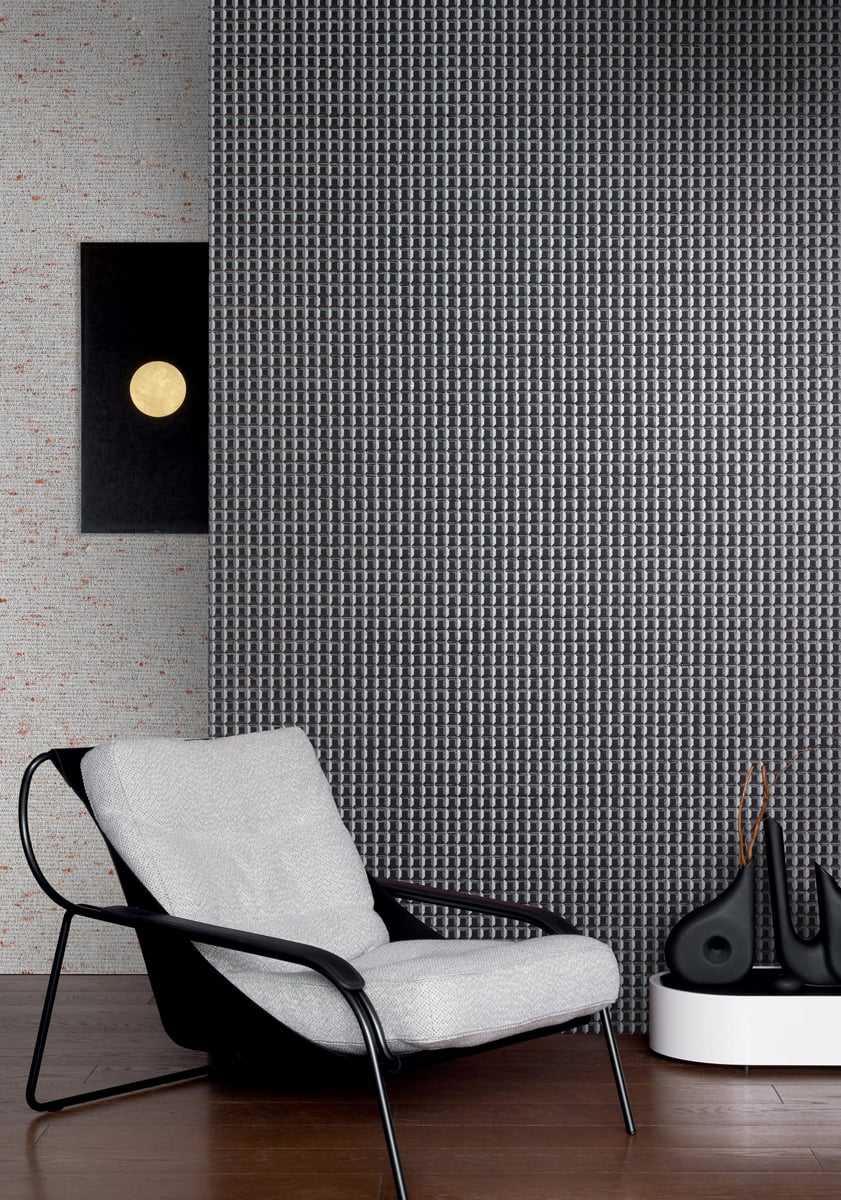
The integration of custom artwork into interior spaces can significantly enhance their value by transforming the aesthetic appeal and creating a unique atmosphere. This article explores the impact of custom artwork integration on interior space value, addressing key concerns for B2B buyers, such as quality, suitability, and installation. Readers will gain insights into how to select the right custom artwork, evaluate its quality, and ensure proper installation, ultimately helping them make informed purchasing decisions.
The Role of Custom Artwork in Enhancing Interior Space Value
Custom artwork serves as a focal point in interior design, establishing a distinctive character for commercial spaces such as hotels, offices, and retail environments. Unlike generic wallcoverings, custom artwork is tailored to reflect the brand identity and values of a business, creating a memorable experience for clients and visitors. This personalized touch can elevate the perceived value of the space, making it more inviting and engaging.
Moreover, custom artwork can influence customer behavior. Research indicates that well-designed environments positively affect consumer mood and spending habits. By integrating bespoke pieces, businesses can enhance customer satisfaction, leading to increased foot traffic and, ultimately, higher revenue. Therefore, selecting the right artwork is not merely a design choice but a strategic investment in the overall success of a commercial space.
How to Choose the Right Custom Artwork for Your Project Needs
When selecting custom artwork, buyers should consider several factors that align with their project needs. First, assess the intended atmosphere of the space. For instance, vibrant and energetic designs may suit a creative office environment, while calming, subdued colors may be ideal for a wellness center.
Next, consider the artwork's scale and placement. Large pieces can create dramatic statements, while smaller artworks can complement existing decor. It is essential to visualize how the artwork will interact with other design elements to ensure cohesion.
Material selection is also critical. Options such as canvas, metal, or wood each offer unique aesthetics and durability levels. Buyers should evaluate the environmental conditions of the installation area, including lighting and humidity, to select materials that will maintain their appearance over time.
Finally, collaborating with artists or designers who understand the specific requirements and brand identity of the business can yield the best results. This partnership can ensure the artwork not only fits the aesthetic but also resonates with the target audience.
Evaluating the Quality of Custom Artwork for Interior Spaces
Quality is paramount when selecting custom artwork, as it directly impacts the longevity and appearance of the piece. Buyers should evaluate the materials used, including the substrate, inks, and finishing processes. High-quality inks and finishes can enhance resistance to fading, ensuring that the artwork retains its vibrancy in various lighting conditions.
Additionally, inspect the craftsmanship involved in the artwork's creation. For instance, hand-painted pieces may offer unique textures and depth that printed reproductions cannot replicate. In contrast, digital prints can provide consistent quality and affordability, making them suitable for larger-scale applications.
Buyers should also consider the reputability of the artist or manufacturer. A well-established company, such as Guangzhou Curry, with over 20 years of experience in the textured vinyl wall covering industry, can provide assurance regarding quality and reliability. Requesting samples or visiting production facilities can further aid in assessing quality standards and craftsmanship.
Installation Guidance for Custom Artwork in Commercial Spaces
Proper installation is crucial for maximizing the impact of custom artwork in commercial spaces. Buyers should consider hiring professional installers who understand the nuances of handling and mounting artwork. Improper installation can lead to damage or misalignment, detracting from the overall aesthetic.
Before installation, ensure that the surface area is prepared adequately. This may involve cleaning or priming walls to ensure optimal adhesion. Additionally, consider the weight and size of the artwork; heavier pieces may require wall reinforcements or specialized mounting hardware to ensure safety and stability.
For larger installations, creating a mock-up or using digital visualization tools can help visualize the final arrangement. This step allows for adjustments before committing to the final placement, ensuring that the artwork complements the overall design and enhances the space effectively.
Technical Specifications for Custom Artwork in Interior Design
Understanding the technical specifications of custom artwork is essential for ensuring its suitability for an interior design project. Key specifications to consider include dimensions, material composition, and weight.
Dimensions should be tailored to the specific wall or installation area. Standard sizes may not always fit the intended space, making customization crucial. Buyers should measure the wall dimensions accurately and consider the visual balance within the room.
Material composition affects both aesthetics and durability. For example, canvas may offer a textured finish, while acrylic panels provide a sleek, modern look. Each material has its own maintenance requirements and durability ratings, which should be matched to the use case of the space.
Weight considerations are also critical, particularly for large pieces. Buyers must ensure that vinyl wall covering sheets structures can support the weight of the artwork, which may involve consulting with structural engineers if necessary.
Finally, discussing any specific requirements or preferences with the manufacturer can lead to tailored solutions that meet both aesthetic and functional needs. Buyers should be ready to provide detailed project information, including intended use, environmental conditions, and design concepts, to ensure the final product aligns with their vision.
Table of Contents
- The Role of Custom Artwork in Enhancing Interior Space Value
- How to Choose the Right Custom Artwork for Your Project Needs
- Evaluating the Quality of Custom Artwork for Interior Spaces
- Installation Guidance for Custom Artwork in Commercial Spaces
- Technical Specifications for Custom Artwork in Interior Design