 EN
EN


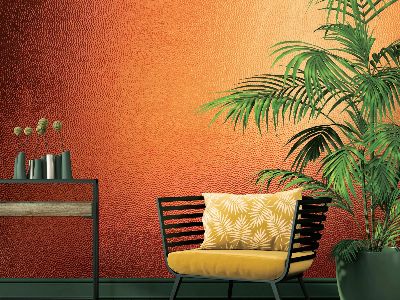
The design and installation of hotel wallpaper are crucial elements that can significantly impact the aesthetics and ambiance of any hospitality environment. Understanding the importance of professional hotel wallpaper design and installation enables buyers to make informed decisions that enhance guest experiences. This article will cover key considerations for purchasing hotel wallpaper, including the installation process, material specifications, cost factors, and quality assurance, all aimed at providing practical insights for purchasing managers, designers, and hotel operators.
Understanding the Installation Process for Hotel Wallpaper Solutions
The installation process for hotel wallpaper is a critical phase that requires careful planning and execution. Professional installation ensures that the thick vinyl wallpaper adheres correctly, maintains its appearance over time, and withstands the wear and tear typical in high-traffic areas.
First, it's essential to prepare the wall surface adequately. This includes cleaning, patching, and priming to create an optimal surface for adhesion. The wallpaper itself must be selected based on the specific environment, such as moisture levels in bathrooms or durability needs in hallways.
During installation, professionals should use the appropriate adhesives and techniques suited for the wallpaper type and substrate. For example, vinyl wallpaper may require different adhesives compared to fabric or paper-based options. Experienced installers will also consider factors like temperature and humidity, which can affect the adhesive's performance.
Finally, proper trimming and finishing techniques are crucial to achieving a seamless look. Buyers should ensure that their chosen installer is experienced and can provide references or examples of past work, highlighting their expertise in hotel environments.
Evaluating Material Specifications for Durable Hotel Wallcoverings
When selecting hotel wallcoverings, the material specifications are paramount to ensuring durability and performance. Common materials used in hotel wallpaper include vinyl, fabric, and non-woven options. Each has unique characteristics that affect longevity, maintenance, and overall aesthetics.
Vinyl wallpaper is a popular choice for its durability and ease of cleaning, making it ideal for high-traffic areas. The vinyl coated wallpaper is resistant to moisture and can be scrubbed, which is particularly beneficial in hospitality settings where cleanliness is paramount.
Fabric wallcoverings, while offering a more luxurious feel, may require more maintenance and should be treated for stain resistance. Non-woven wallpapers are breathable, which helps to prevent mold and mildew, but may not withstand heavy scrubbing.
Buyers should also consider the thickness and weight of the wallpaper, as these factors influence both installation ease and durability. Thicker materials tend to be more forgiving during installation and may better conceal wall imperfections.
Cost Factors to Consider When Purchasing Hotel Wallpaper in Bulk
Cost is a significant consideration when purchasing hotel wallpaper, especially when buying in bulk. Several factors influence the final price, including material type, design complexity, and order quantity.
Material selection plays a crucial role, vinyl may have a higher upfront cost compared to traditional paper but can lead to savings over time due to its durability and lower maintenance needs. Custom designs or specialized patterns can also increase costs, so buyers should evaluate whether the aesthetic benefits justify the additional expense.
Another factor is the minimum order quantity (MOQ). Manufacturers often set MOQs that can affect pricing. Understanding the MOQ can help buyers plan their budgets and inventory more effectively.
Finally, installation costs should not be overlooked. Professional installation is recommended for hotel environments to ensure a high-quality finish and longevity of the wallcoverings. Buyers should request comprehensive quotes that include both materials and installation to get a complete understanding of the total investment.
Ensuring Quality and Timeliness in Wallpaper Orders
Quality and timeliness are critical factors in ensuring a successful wallpaper project. Buyers should establish clear communication with suppliers regarding lead times and quality assurance practices.
Before placing an order, it’s advisable to request samples to assess the material's quality, color accuracy, and texture. A sample should be evaluated not only for appearance but also for how it performs under expected conditions, such as exposure to moisture or cleaning agents.
Buyers should also inquire about the supplier's quality control processes. A reputable manufacturer should have established protocols for testing materials throughout the production process to ensure they meet specified standards.
Timeliness is equally important, especially for hotel renovations or new builds. Buyers should confirm production schedules and delivery timelines upfront, considering any potential delays that could arise from custom orders or shipping logistics. Regular updates from the supplier can help manage expectations and mitigate risks.
A Buyer’s Guide
When preparing to purchase hotel wallpaper, buyers should follow a structured approach to ensure they secure the best products for their needs. Here’s a concise checklist for buyers:
Identify Requirements: Determine the areas where wallpaper will be installed and the specific needs of each space (e. g., moisture resistance in bathrooms).
Select Material: Based on durability, maintenance needs, and aesthetic preferences, select appropriate materials (vinyl, fabric, non-woven).
Request Samples: Always request samples before finalizing orders to evaluate color, texture, and performance.
Assess Suppliers: Research potential suppliers, looking for experience, references, and quality control processes.
Confirm Specifications: Before placing an order, confirm all specifications, including dimensions, patterns, and finish types.
Discuss Customization: If custom designs are needed, ensure the supplier can accommodate these requests and provide a timeline.
Review Costs: Analyze the total costs, including materials, installation, and potential long-term maintenance.
Establish Communication: Maintain open lines of communication with suppliers to stay informed about production and shipping timelines.
By following this guide, buyers in the hospitality industry can navigate the complexities of purchasing wallpaper more effectively, ensuring their selections enhance the overall guest experience while aligning with operational needs.
Understanding the importance of professional hotel wallpaper design and installation is essential for making informed purchasing decisions. By focusing on the installation process, material specifications, cost factors, and quality assurance, buyers can ensure that their choices will withstand the test of time and enhance the aesthetic appeal of their establishments.