 EN
EN
Commercial wallcoverings have become an essential element in modern workplace design, enhancing both aesthetics and functionality. As businesses increasingly recognize the importance of their environments on employee productivity and well-being, the choice of wallcoverings plays a crucial role. This article explores the impact of commercial wallcoverings on workplace design, addressing key specifications, installation guidance, common problems, and the benefits they offer in collaborative workspaces.
The Role of Commercial Wallcoverings in Modern Office Design
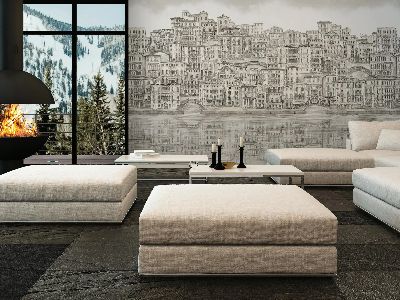
Commercial wallcoverings contribute significantly to workplace design by creating an inviting atmosphere that reflects a company’s brand identity. They not only serve to enhance visual appeal but also provide practical benefits such as sound absorption and durability. fabric backed vinyl wallcovering can be used to delineate spaces, enhance privacy, and even promote collaboration through versatile designs. Furthermore, the choice of materials and patterns can influence how employees feel within their workspace. For instance, vibrant colors and dynamic patterns can stimulate creativity, while subdued tones may foster concentration. Therefore, selecting the right wallcovering is not just about aesthetics; it's about aligning the visual environment with the organization’s goals and employee needs.
Key Specifications for Commercial Wallcoverings in Offices
When evaluating commercial wallcoverings, several key specifications should be taken into consideration:
Material Composition: Common materials include vinyl, textile, and paper. Vinyl is popular for its durability and ease of cleaning, making it ideal for high-traffic areas. Textiles can add warmth but may require more maintenance.
Thickness and Weight: The thickness of wallcoverings affects their durability and ease of installation. Heavier materials may require specialized adhesives and installation techniques.
Fire Resistance: Wallcoverings should comply with local fire safety regulations. Look for certifications that indicate compliance with standards such as ASTM E84, which measures flame spread.
Moisture Resistance: In spaces prone to humidity, such as bathrooms or kitchens, moisture-resistant wallcoverings help prevent mold and mildew growth.
Acoustic Properties: Some wallcoverings offer sound-absorbing qualities, which can contribute to a quieter work environment, enhancing employee comfort and productivity.
Understanding these specifications enables buyers to select fabric backed wallcovering that meet both aesthetic and functional requirements, ensuring a suitable fit for their office design.
Installation Guidance for Efficiently Applying Wallcoverings
Proper installation of wallcoverings is critical to achieving the desired look and performance. Here are some best practices for efficient application:
Surface Preparation: Ensure that walls are clean, dry, and smooth before applying wallcoverings. Any imperfections can affect adhesion and the overall appearance.
Temperature and Humidity Control: The installation environment should have controlled temperature and humidity. Extreme fluctuations can compromise adhesive performance.
Use of Quality Adhesives: Select adhesives that are compatible with the wallcovering material and the application environment. For instance, heavy vinyl may require a stronger adhesive.
Seam Alignment: Pay attention to seam alignment to avoid mismatched patterns. This is especially important for patterned wallcoverings, where alignment can significantly affect aesthetic appeal.
Trimming and Finishing: After application, use a sharp blade to trim excess material cleanly. Ensure edges are securely adhered to avoid peeling over time.
Following these guidelines will help ensure a successful installation, maximizing the longevity and visual impact of the wallcoverings.
Common Problems with Wallcoverings and Effective Solutions
Despite their advantages, wallcoverings can encounter common issues. Here are some problems and solutions:
Peeling Edges: This can occur due to inadequate adhesive application or improper surface preparation. To resolve this, reapply adhesive and secure the edges firmly against the wall.
Bubbles and Wrinkles: These often result from trapped air during installation. To fix this, gently lift the affected area and smooth it out while pressing out air bubbles. A roller can also be used for this purpose.
Fading or Discoloration: Exposure to direct sunlight can cause fading. Choosing UV-resistant materials can mitigate this issue, ensuring colors remain vibrant over time.
Mold and Mildew Growth: In humid environments, mold can develop if the wallcovering is not moisture-resistant. Regular cleaning and maintenance, along with selecting appropriate materials, can prevent this problem.
By addressing these issues proactively, buyers can ensure that their wallcoverings maintain their appearance and functionality throughout their lifespan.
Benefits of Using Wallcoverings in Collaborative Workspaces
In collaborative workspaces, wallcoverings provide several unique advantages:
Enhanced Aesthetics: Attractive wallcoverings can create a welcoming atmosphere that fosters creativity and collaboration among employees.
Brand Identity: Custom designs can reflect a company’s branding, making spaces feel more cohesive and aligned with corporate values.
Sound Management: Wallcoverings with acoustic properties can help reduce noise levels, making it easier for teams to communicate without distractions.
Durability and Maintenance: High-quality wallcoverings are designed to withstand wear and tear, reducing the need for frequent replacements and minimizing maintenance costs.
Flexibility in Design: Wallcoverings can easily be changed or updated to refresh a space without undergoing a complete renovation, allowing businesses to keep their environments dynamic and engaging.
By leveraging these benefits, businesses can create workspaces that not only look great but also enhance employee performance and satisfaction.
In summary, the impact of commercial commercial vinyl wallcovering on modern workplace design is profound, influencing both the aesthetics and functionality of office environments. By carefully considering specifications, installation practices, and potential challenges, companies can select wallcoverings that significantly enhance their workspaces.