 EN
EN

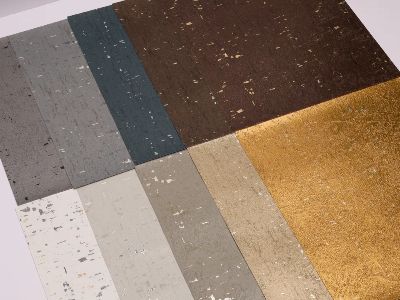
Understanding abrasion resistance in commercial wallcovering materials is crucial for ensuring longevity and performance in high-traffic environments. Buyers, including purchasing managers and interior designers, often seek wallcoverings that not only enhance aesthetics but also withstand wear and tear. This article will explore how to choose the right vinyl wallcovering for high-traffic areas, identify reliable suppliers, evaluate cost factors, ensure optimal performance, and address common problems and solutions related to wallcoverings.
How to Choose the Right Wallcovering for High-Traffic Areas
Selecting the right wallcovering for high-traffic areas requires careful consideration of material properties, durability, and maintenance requirements. Look for wallcoverings made from materials that have high abrasion resistance, such as vinyl or fiberglass. These materials are designed to withstand the daily wear and tear of busy environments, such as hotels and commercial offices.
When evaluating wallcoverings, check the manufacturer’s specifications, particularly the Martindale or Taber abrasion test results, which indicate how well a material can endure friction. A higher abrasion rating typically signifies better durability. Additionally, consider the ease of cleaning; wallcoverings that are washable or can be wiped down will reduce maintenance time and costs.
Don't overlook the aesthetic aspect either; the right pattern and color can help mask minor scuffs and dirt, maintaining the visual appeal of the space even in high-traffic areas.
Reliable Suppliers for Quality Wallcoverings
When sourcing wallcoverings, partnering with reliable suppliers is essential. Look for manufacturers with a solid reputation in the industry, such as Guangzhou Curry, which boasts over 20 years of experience in crafting innovative textured vinyl wallcovering solutions. A reliable supplier should provide clear information about their manufacturing capabilities, product lines, and quality assurance processes.
Ask potential suppliers about their certifications, such as ISO standards, which can indicate a commitment to quality and consistency. Additionally, request samples and references from previous projects to assess the supplier's reliability and product quality. Engaging with suppliers who have experience in your specific application area (like hospitality or commercial spaces) can also enhance your purchasing decision, ensuring that the wallcoverings meet specific industry standards.
Evaluating Cost Factors for Durable Wallcovering Materials
Understanding the cost factors associated with wallcovering materials is crucial for budget management. While high-quality wallcoverings may have a higher initial cost, their durability often leads to cost savings over time due to lower maintenance and replacement needs.
Consider the following cost factors when evaluating wallcovering options:
Material Type: Vinyl wallcoverings may cost more upfront but offer enhanced durability, making them a better long-term investment.
Customization: Customized designs or prints may come at a premium, but they can provide unique branding opportunities without compromising quality.
Installation Costs: Factor in the complexity of installation. Some wallcoverings require professional installation, which can increase overall project costs.
Maintenance: Assess the cleaning and maintenance requirements. Materials that are easy to clean may reduce long-term costs associated with upkeep.
By thoroughly evaluating these factors, purchasing managers can make informed decisions that align with their budget and quality expectations.
Ensuring Optimal Performance of Wallcoverings
To ensure optimal performance, it’s essential to consider the application environment when selecting wallcoverings. Factors such as humidity, temperature fluctuations, and exposure to sunlight can affect the longevity and appearance of wallcoverings.
Inspect wallcoverings before installation for any defects and ensure that the surfaces are properly prepared. The installation process should follow the manufacturer's guidelines closely to avoid issues such as peeling or bubbling. Moreover, proper adhesion is critical; using the recommended adhesives will enhance the wallcovering's performance and lifespan.
Regular maintenance, including periodic cleaning and inspection for wear, will help identify any potential issues early, allowing for timely repairs rather than costly replacements. For high-traffic areas, consider implementing a maintenance schedule to keep wallcoverings looking fresh and functional.
Common Problems with Wallcoverings and Effective Solutions
Despite the durability of modern wallcoverings, issues can arise over time. Common problems include peeling, fading, and visible wear patterns. Here are some effective solutions to address these challenges:
Peeling: If wallcoverings start to peel, check the adhesive used during installation. Ensure that the correct adhesive was applied and that the surface was adequately prepared. If the problem persists, it may be necessary to reapply adhesive or replace sections of the wallcovering.
Fading: Exposure to sunlight can cause wallcoverings to fade. Look for UV-resistant materials or apply window treatments to reduce direct sunlight exposure.
Wear Patterns: In high-traffic areas, watch for signs of abrasion. Regular cleaning and the use of protective coatings can help prolong the life of contract vinyl wallcovering.
Water Damage: In areas prone to moisture, such as bathrooms or kitchens, ensure that the wallcovering is moisture-resistant. If water damage occurs, immediate repair is essential to prevent mold and further deterioration.
By proactively addressing these common issues, buyers can maintain the integrity and appearance of their wallcoverings, ensuring they remain an attractive and functional choice for years to come.