 EN
EN


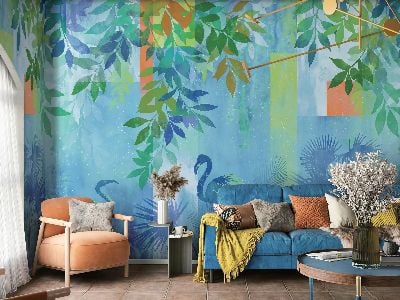
Wallpaper has long been a staple in high-end interiors, often preferred over wall panels for their aesthetic appeal and functional versatility. Understanding why wallpaper remains the standard in luxury spaces can help buyers, designers, and contractors make informed decisions regarding wall coverings. This article will delve into the advantages of wallpaper, key specifications to consider, how to source reliable suppliers, evaluate quality, and best practices for contractors in high-end applications
Why Choose Wallpaper Over Wall Panels for Luxury Interiors
Wallpaper offers unique advantages that make it a preferred choice in luxury interiors. It provides a wide array of designs, textures, and colors, allowing for customization that wall panels may not offer. This variety can transform a space, creating an atmosphere that resonates with the desired aesthetic—be it modern, classic, or eclectic
Additionally, wallpaper can enhance the acoustics of a room, an often-overlooked benefit. Thicker wallpapers can absorb sound better than many wall panels, contributing to a more serene environment. Moreover, wallpaper is typically easier to install and replace, providing flexibility for renovations and updates without the structural modifications often required with wall panels
From a cost perspective, while the initial investment in high-quality vinyl wall wallpaper may be higher than wall panels, the longevity and ease of maintenance can lead to cost savings over time. Buyers should consider the long-term benefits of wallpaper, including its impact on overall interior design and guest experience in commercial settings
Key Specifications for High-Quality Wallpaper in Premium Spaces
When selecting wallpaper for luxury interiors, several key specifications should be considered
Material: Quality wallpaper is often made from vinyl, non-woven, or natural fibers. Each material has different durability, maintenance, and aesthetic properties. For instance, vinyl wallpapers are moisture-resistant, making them suitable for high-humidity areas like bathrooms and kitchens
Thickness: The thickness of wallpaper affects its durability and sound-absorbing qualities. Thicker wallpapers tend to last longer and provide better coverage for imperfections on walls
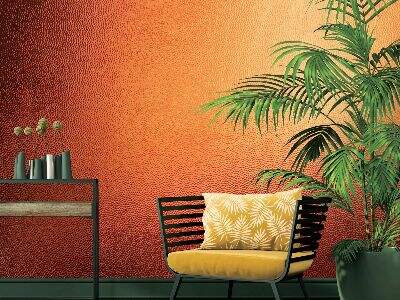
Texture: Textured wallpapers can add depth and interest to a space. Buyers should consider the intended application; some textures may require specific installation techniques or additional maintenance
Adhesive: The type of adhesive used can impact the wallpaper’s performance. Some wallpapers come with pre-applied adhesive, while others may require additional glue. Understanding the installation process is crucial for ensuring the wallpaper adheres properly and lasts over time
Fire Resistance: In many commercial applications, fire-rated wallpaper is a requirement. Buyers should verify compliance with local building codes and safety standards
By focusing on these specifications, buyers can ensure they select wallpaper that meets both aesthetic and functional needs for high-end applications
Sourcing Reliable Suppliers for Projects
Finding a reliable supplier is essential for successful textured vinyl wallpaper procurement. Here are some tips for sourcing suitable manufacturers
Experience and Reputation: Look for suppliers with a proven track record in the industry. Companies like Guangzhou Curry, with over 20 years of experience, can provide valuable insights and options tailored to high-end projects
Product Range: A supplier should offer a diverse range of products that meet various design requirements. This includes different materials, patterns, and customization options
Quality Assurance: Inquire about the supplier's quality control processes. Reliable manufacturers will have established protocols for testing their products for durability, color-fastness, and other important specifications
Customer Support: Good communication is vital. Suppliers should be responsive to inquiries and provide assistance throughout the procurement process, from initial quotes to post-installation support
Certifications: Check for relevant certifications that indicate compliance with safety and quality standards. This can include environmental certifications, which are increasingly important in luxury markets
By carefully evaluating potential suppliers, buyers can secure high-quality wallpaper that meets their project needs
How to Evaluate the Quality of Wallpaper for High-End Applications
Quality evaluation is crucial when selecting wallpaper for luxury interiors. Here are practical steps to assess wallpaper quality
Sample Inspection: Always request samples before making a bulk order. Inspect the sample for color consistency, texture, and durability. A high-quality wallpaper should feel substantial and not easily tear
Print Quality: Check for sharpness and clarity in patterns. Blurred or inconsistent prints can indicate poor manufacturing processes
Backing Material: The backing of the wallpaper should be robust and suitable for the installation method. Non-woven backings tend to be more forgiving and easier to work with, especially in high-end applications
Adhesive Performance: If the wallpaper is pre-pasted, assess the adhesive's quality. It should provide a secure bond while allowing for repositioning during installation
Feedback from Previous Projects: Refer to case studies or testimonials from other buyers who have used the wallpaper in similar applications. Their experiences can provide insight into the product’s performance and durability over time
By following these steps, buyers can make informed decisions that align with their project goals
Best Practices for Contractors
Contractors play a critical role in the successful installation of washable vinyl wallpaper in high-end spaces. Here are some best practices to ensure quality outcomes
Surface Preparation: Before installation, ensure that the wall surface is clean, dry, and smooth. Any imperfections can affect the final appearance and longevity of the wallpaper
Proper Tools and Techniques: Use the appropriate tools for installation, including brushes, rollers, and seam rollers. Following the manufacturer’s guidelines for installation techniques is crucial for achieving optimal results
Temperature and Humidity Control: Monitor the environment during installation. Extreme temperatures or humidity levels can affect adhesive performance and wallpaper adhesion
Seam Matching: Pay close attention to pattern matching at seams. This detail is particularly important in high-end applications where aesthetics are paramount
Post-Installation Care: Advise clients on the proper care and maintenance of wallpaper to prolong its lifespan. This may include recommendations on cleaning products and methods
By adhering to these best practices, contractors can enhance the quality and longevity of wallpaper installations, ultimately leading to satisfied clients
Through an understanding of the advantages of wallpaper, key specifications, effective sourcing strategies, quality evaluation methods, and best practices for installation, buyers can confidently choose wallpaper for luxury interiors. This knowledge not only streamlines the procurement process but also elevates the overall aesthetic and functional quality of the spaces they design and manage