 EN


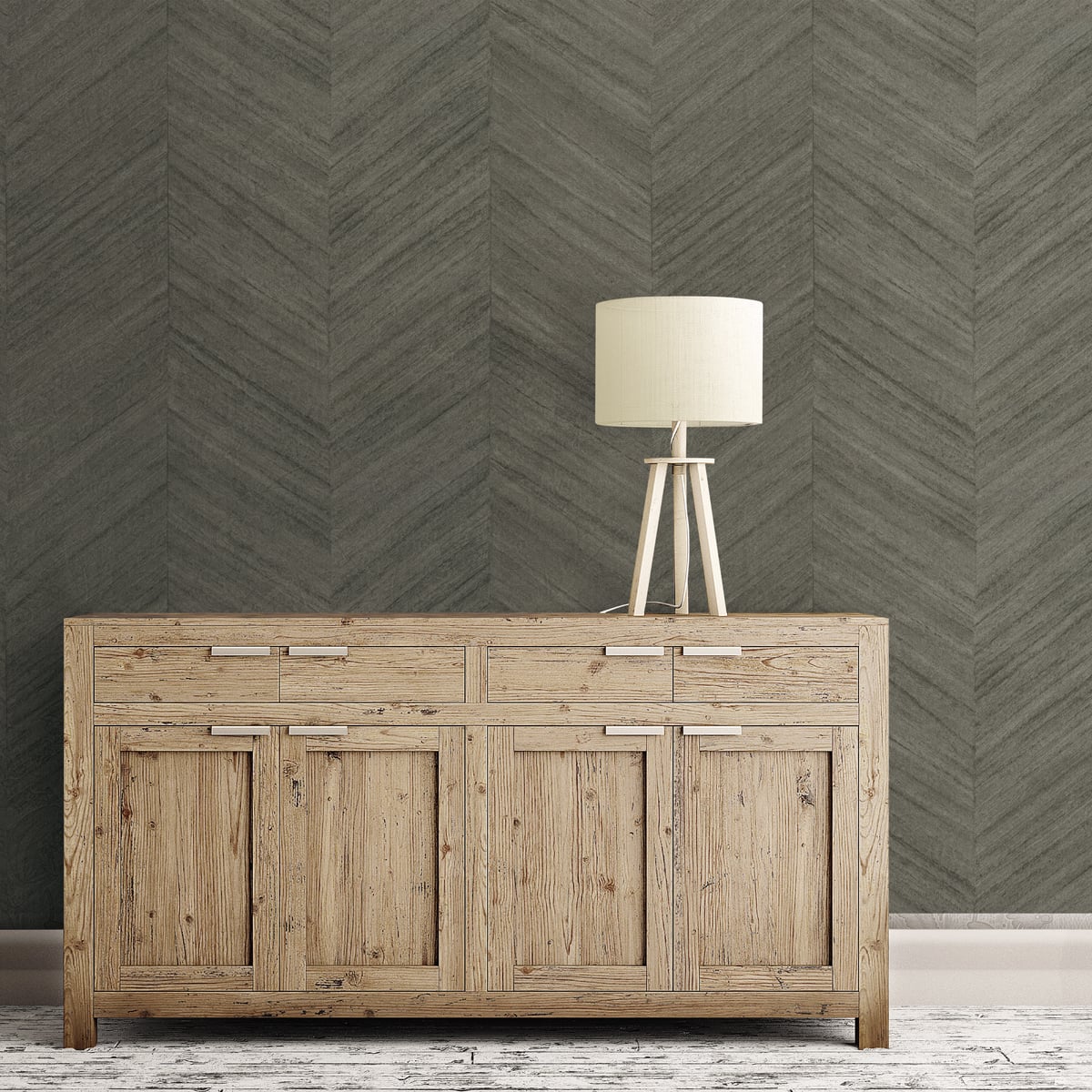
Choosing the right wallcovering substrate is crucial for any commercial project, particularly when comparing vinyl, fabric, and non-woven options. This article provides a technical comparison of these materials, focusing on their applications, installation guidelines, and common challenges faced by buyers. By understanding the key differences and considerations, purchasing managers, interior designers, and project managers can make informed decisions that align with their project requirements and aesthetic goals.
Comparing PVC, Non-Woven, and Fabric Wallcoverings for Projects
Vinyl wallcoverings, often referred to as PVC wallcoverings, are widely recognized for their durability and ease of maintenance. These synthetic materials are resistant to moisture, stains, and abrasions, making them ideal for high-traffic areas in commercial settings like hotels and offices. Their surface can be easily cleaned, ensuring longevity.
Non-woven wallcoverings, on the other hand, are made from a blend of natural and synthetic fibers, offering breathability and ease of installation. They do not expand or contract with humidity changes, which helps maintain their appearance over time. Non-woven options are often regarded for their eco-friendliness and can be stripped off cleanly without leaving residue, making them a popular choice for temporary installations or frequent updates.
Fabric wallcoverings provide a unique texture and aesthetic appeal, often used to create a warm and inviting atmosphere. However, they may require more maintenance due to their susceptibility to staining and damage from moisture. Fabric options can be treated for added durability, but their installation and upkeep can be more labor-intensive compared to vinyl and non-woven variants.
What to Look For
When selecting a wallcovering material, several factors should be considered. First, evaluate the environmental conditions of the application area. For spaces prone to moisture, such as bathrooms or kitchens, vinyl options are preferable due to their water-resistant properties. In contrast, non-woven materials may be better suited for dry environments, where breathability and aesthetic appeal are priorities.
Next, consider the installation process. Vinyl wallcoverings typically require adhesive application but can also be found in peel-and-stick formats, easing installation. Non-woven materials often come with paste-the-wall applications, simplifying the process and minimizing the mess. Fabric wallcoverings may necessitate specialized adhesives and techniques, making them potentially more complex to install.
Additionally, assess the project’s design vision. Aesthetics play a significant role in wallcovering selection. Vinyl offers a wide array of patterns and textures, while non-woven materials can achieve a high-end look with their unique designs. Fabric options provide a luxurious feel but may limit design flexibility due to their texture and pattern constraints.
Installation Guidelines for Vinyl, Fabric, and Non-Woven Wallcoverings
Installation techniques vary by material, impacting both the efficiency of the process and the final appearance. For commercial vinyl wallcovering, ensure the surface is clean, dry, and smooth before applying adhesive. Using a straightedge and level can help achieve straight lines and prevent bubbles during installation. For peel-and-stick options, careful alignment is key to a professional finish.
Non-woven wallcoverings simplify the process by allowing paste to be applied directly to the wall rather than the material. This can reduce installation time and mess. It’s essential to match patterns correctly and work from top to bottom to ensure a seamless look.
Fabric wallcoverings require careful handling, as they can stretch or tear easily. A professional installer is often recommended to ensure proper alignment and tension during application. Additionally, fabric wallcoverings may require a protective coating to enhance durability and resist stains.
Applications of Vinyl, Fabric, and Non-Woven Wallcoverings in Design
Each wallcovering type has its unique applications in design, driven largely by their properties. Vinyl wallcoverings are often utilized in commercial environments due to their durability and ease of maintenance. They are particularly effective in areas subject to heavy wear, such as corridors, lobbies, and conference rooms.
Non-woven wallcoverings are increasingly popular in residential and commercial spaces that prioritize aesthetics without compromising performance. They are frequently used in high-end hospitality settings where visual impact is paramount, and ease of removal allows for design updates with minimal fuss.
Fabric wallcoverings are ideal in environments where comfort and atmosphere are prioritized, such as boutique hotels or upscale lounges. Their rich textures and designs can enhance the overall ambiance but should be chosen carefully to align with the maintenance capabilities of the facility.
Common Problems with Wallcoverings and Effective Solutions for Buyers
Despite their benefits, wallcoverings can present challenges during installation and maintenance. One common issue is adhesive failure, particularly with vinyl and fabric options. This can result from inadequate surface preparation or the use of incorrect adhesives. To mitigate this, ensure the installation surface is properly cleaned and use adhesives recommended by the manufacturer.
Another issue is the potential for bubbling or wrinkling, particularly with non-woven and fabric textured vinyl wallcovering. Buyers should verify that the material is acclimated to the environment before installation and ensure even pressure is applied during the process to eliminate air pockets.
Stains and damage are also concerns, especially with fabric wallcoverings. Implementing a regular cleaning schedule and using suitable protective treatments can help prolong the life of the material.
In summary, understanding the distinctions between vinyl, fabric, and non-woven wallcoverings enables B2B buyers to make informed decisions tailored to their specific project requirements. By considering the unique properties, applications, and potential challenges associated with each type, purchasing managers, designers, and project managers can enhance their selections and ensure successful installations.